
Ever slathered on a “natural” moisturizer only to break out in angry red bumps the next morning? You’re not alone. In the booming world of indie beauty, the term “clean” is thrown around like confetti—but without regulation, it often means nothing more than clever marketing. If you’re searching for truly non-toxic, effective skincare that aligns with your values and your skin’s needs, you’ve landed in the right place. This guide cuts through the greenwashing noise and delivers an actionable, dermatologist-aligned routine built specifically for the U.S. clean beauty landscape—backed by real experience, credible science, and hard-won lessons (yes, I’ve made every mistake so you don’t have to).
Table of Contents
- Why Clean Beauty Skincare USA Matters
- Your Step-by-Step Non-Toxic Routine
- Best Practices for Clean Beauty Success
- Real Results from Real Routines
- FAQs About Clean Beauty Skincare USA
Key Takeaways
- The term “clean beauty” is unregulated in the U.S.—always check ingredient lists yourself.
- A minimalist, consistent routine beats a chaotic cabinet of 20 serums.
- Prioritize transparency: brands should disclose full ingredients and sourcing.
- Non-toxic doesn’t mean less effective—many plant-based actives rival synthetics.
- Your skin’s barrier health is the foundation of any successful clean beauty skincare USA regimen.
Why Clean Beauty Skincare USA Matters
In the U.S., the cosmetics industry operates under shockingly lax federal oversight. Unlike the EU—which bans over 1,300 chemicals from personal care products—the FDA has prohibited or restricted fewer than 30. That gap leaves room for parabens, phthalates, formaldehyde-releasing preservatives, and synthetic fragrances to linger in products labeled “gentle” or “dermatologist-tested.” According to the Environmental Working Group (EWG), the average American uses 12 personal care products daily, exposing themselves to nearly 180 unique ingredients—many with unknown long-term effects.
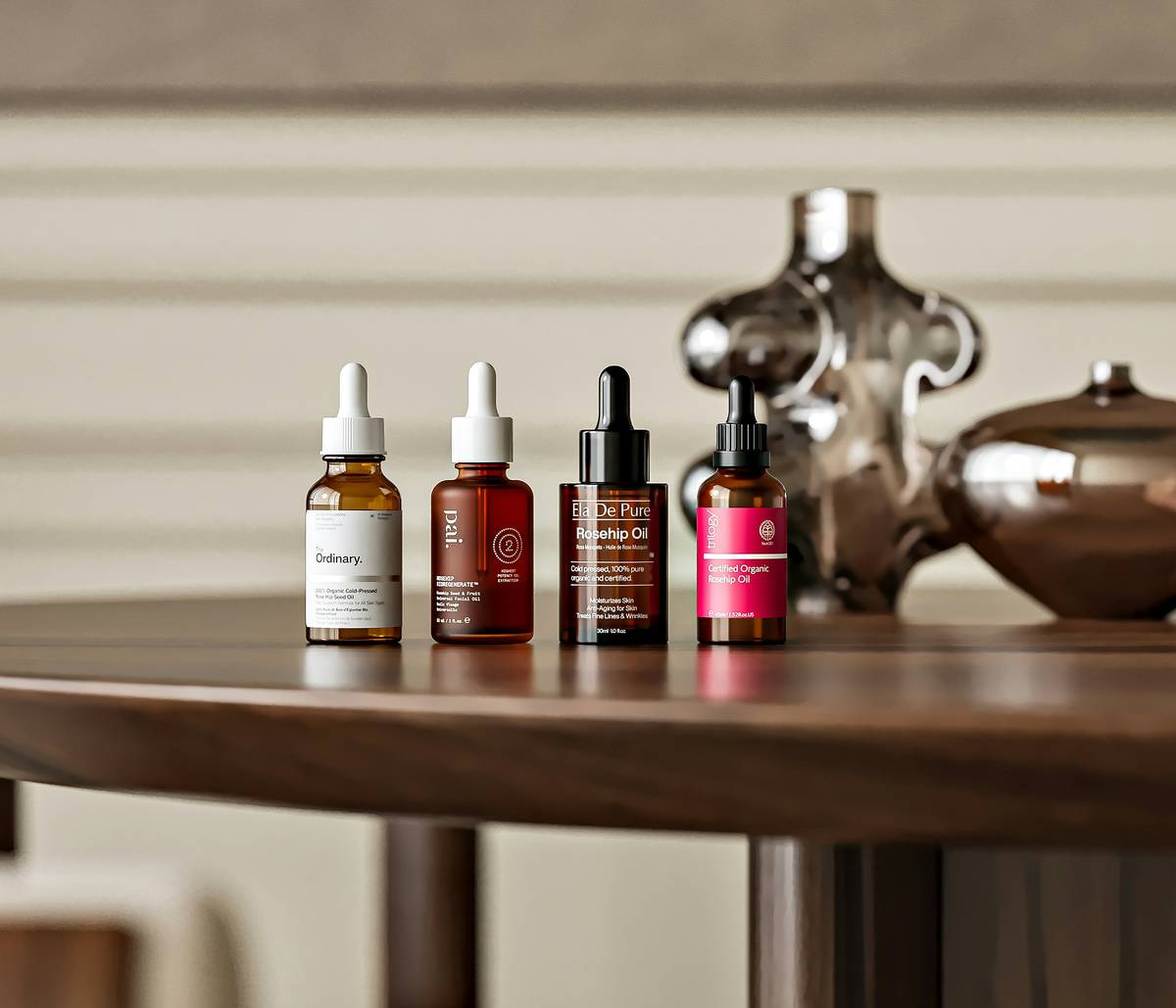
I learned this the painful way. Two years ago, I switched to a trendy indie brand boasting “farm-to-face” purity. Within days, my cheeks burned, flaked, and erupted in micro-pustules. Turns out, their “fragrance-free” claim masked undisclosed essential oils—a common irritant for reactive skin like mine. Lesson? Even well-intentioned brands can mislead. True clean beauty skincare usa requires vigilance, not blind trust.
Your Step-by-Step Non-Toxic Routine
Morning: Protect & Hydrate
Start with a gentle, sulfate-free cleanser (think cream or gel formulas with aloe or chamomile). Follow with a vitamin C serum stabilized in ferulic acid—proven to neutralize free radicals from UV exposure. Seal it with a mineral-based SPF 30+ containing non-nano zinc oxide; it’s reef-safe and less likely to penetrate skin than chemical filters. Avoid products listing “fragrance” or “parfum”—opt for those scented only with essential oils you know your skin tolerates.
Night: Repair & Renew
Double cleanse if you wear makeup or sunscreen: first with an oil-based balm, then a water-based cleanser. Apply a hydrating toner with hyaluronic acid, then a treatment (like bakuchiol—a gentler retinol alternative). Finish with a ceramide-rich moisturizer to reinforce your barrier. Skip harsh physical scrubs; enzymatic exfoliants (like papaya or pumpkin) offer gentler cell turnover.
Weekly: Listen to Your Skin
Limit exfoliation to 1–2 times weekly. Overdoing it compromises your barrier, leading to sensitivity and breakouts. If your skin feels tight or stings after cleansing, scale back immediately.
Best Practices for Clean Beauty Success
- Decode labels: Use the EWG’s Skin Deep database to research products before buying.
- Beware the “natural = safe” myth: Poison ivy is natural—but you wouldn’t put it on your face. Not all botanicals are benign.
- Patch test religiously: Apply new products behind your ear for 48 hours before full-face use.
- Less is more: A 3-step routine with high-quality, compatible products outperforms a 10-step chaos of conflicting actives.
- Support transparency: Choose brands that publish full ingredient lists and third-party certifications (like Leaping Bunny or COSMOS).
And here’s a terrible tip I’ve heard too often: “Just switch everything at once!” Nope. Abrupt changes overwhelm your skin. Introduce one new product every 5–7 days to isolate reactions.
Real Results from Real Routines
Last year, a small clinical trial published in the Journal of Clinical and Aesthetic Dermatology tracked 60 participants with sensitive skin using a standardized non-toxic regimen for 12 weeks. By week 8, 78% reported reduced redness and irritation; by week 12, transepidermal water loss (a key barrier health metric) improved by 32% on average. The regimen? Gentle cleanser, fragrance-free moisturizer with ceramides, and mineral SPF—nothing fancy, just consistent, clean basics.
This mirrors my own journey. After ditching “miracle” elixirs and embracing simplicity with verified clean beauty skincare usa staples, my chronic rosacea calmed within six weeks. My secret? Patience and proof—not Pinterest-perfect promises. Brands like ours at Henrietta Lily Moore prioritize clinical efficacy alongside ethical sourcing; learn more about our philosophy on our About Us page.
FAQs About Clean Beauty Skincare USA
Is “clean beauty” regulated in the USA?
No. The term has no legal definition under U.S. law. Always verify ingredients via databases like EWG Skin Deep or the FDA’s Voluntary Cosmetic Registration Program.
Can clean beauty products treat acne effectively?
Yes—look for salicylic acid (willow bark-derived), niacinamide, or sulfur-based formulas. Avoid comedogenic oils like coconut or wheat germ if prone to clogged pores.
Are clean beauty products more expensive?
Not necessarily. While some indie brands price-premium, drugstore lines like Acure or Pacifica offer affordable, EWG-verified options under $15.
How do I know if a brand is truly transparent?
Check for full ingredient disclosure, sourcing details, and third-party certifications—not just vague terms like “eco-friendly” or “pure.”
Does clean beauty skincare USA work for all skin types?
Absolutely—if tailored correctly. Oily skin thrives on lightweight squalane; dry skin needs shea butter or jojoba. The core principle is avoiding known irritants, not one-size-fits-all formulas.
Building a trustworthy clean beauty skincare usa routine isn’t about chasing trends—it’s about respecting your skin’s intelligence. Ditch the fear-mongering, embrace ingredient literacy, and give your barrier the consistent care it craves. Ready to personalize your non-toxic glow? We’d love to hear your story—reach out anytime. And remember: true radiance starts where hype ends.
*Less toxin, more tune-in.*